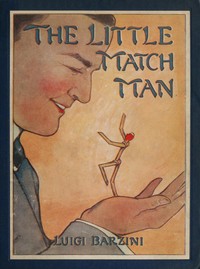
"The Little Match Man" by Luigi Barzini offers an incisive look at the intersection of poverty and aspiration in early 20th-century Italy. Through the eyes of its protagonist, readers encounter the stark realities of life for the marginalized in an era of rapid social change. The novel is not merely a story of survival; it is a commentary on the human condition, ambition, and the oft-unattainable dream of a better life.
The Story
The narrative follows a young boy who sells matches on the streets of a bustling Italian city, exposing readers to the harsh realities faced by the impoverished. As he navigates the complexities of urban life, the character's encounters with both the wealthy and the downtrodden reveal a society teetering on the brink of transformation. His dreams clash with the unyielding nature of his existence, creating a poignant contrast that drives the story forward.
Thematically, Barzini explores ideas of social disparity and resilience, illustrating how hope can flicker even in the darkest circumstances. The tone oscillates between grim realism and fleeting moments of beauty, as characters strive for connection and meaning amidst their struggles.
Why You Should Read It
- Rich Historical Context: The backdrop of early 20th-century Italy provides a vivid setting that enhances the narrative's emotional weight.
- Complex Characters: The protagonist's multifaceted personality invites readers to empathize with his plight and aspirations.
- Social Commentary: Barzini's exploration of class disparity raises questions about society's treatment of the marginalized.
- Evocative Prose: The author’s lyrical writing style immerses readers in the sights and sounds of the city.
- Timeless Themes: The quest for dignity and the struggle against adversity resonate deeply across generations.






Leave a Comment