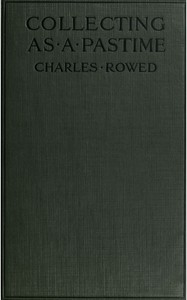
"Collecting as a Pastime" by Charles Rowed offers an intriguing exploration of how the act of collecting transcends mere acquisition, evolving into a rich reflection of personal identity and cultural heritage. Through a blend of anecdotal narratives and practical insights, Rowed illuminates the emotional and psychological dimensions of collecting, making it not only a hobby but a profound engagement with history and self. The book serves as both a guide and a philosophical examination of the ways in which objects can carry meaning and memory.
The Story
Rowed presents a series of vignettes that span various forms of collecting, from stamps and coins to art and antiques. Each chapter unfolds a unique story, revealing the motivations and passions of collectors, while situating these pursuits within broader social contexts. This narrative structure allows readers to understand the personal stakes involved, as well as the shifting values associated with collectibles over time.
Thematically, the book examines the intersections of nostalgia, identity, and the human desire for connection. Rowed's tone is reflective and engaging, inviting readers to consider not just what we collect, but why we choose to collect it. His insightful observations challenge preconceived notions about materialism, suggesting instead that collecting can be a means of understanding our place in the world.
Why You Should Read It
- Insight into Human Behavior: Rowed provides a nuanced look at the motivations behind collecting, offering readers deeper insights into human psychology.
- Historical Context: The book situates various forms of collecting within their historical frameworks, illuminating how societal changes influence what people value.
- Practical Guidance: Alongside philosophical musings, Rowed offers practical advice for aspiring collectors, making the book useful for enthusiasts.
- Engaging Narratives: Each story is rich with character and detail, making the act of reading feel like a personal exploration of the lives behind the collections.
- Reflection on Identity: The book provokes thoughtful consideration of how our collections reflect our identities, prompting readers to contemplate their own relationships with objects.



Leave a Comment