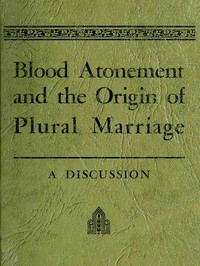
"Blood Atonement and the Origin of Plural Marriage: A Discussion" by Smith, Joseph Fielding offers a meticulous examination of a controversial aspect of Mormon theology and practice. The text engages with the complex intersections of faith, sacrifice, and social structure within early Mormon communities. By situating plural marriage within the framework of blood atonement, Smith provides insights that challenge conventional understandings of religious doctrine and its implications for personal and communal identity.
The Story
This work is structured as a rigorous exploration rather than a narrative in the traditional sense. Smith presents historical and doctrinal analysis, interspersed with interpretations of scriptural texts and early church teachings. He meticulously documents how the concept of blood atonement influenced the acceptance and practice of plural marriage among early Mormons.
The tone is scholarly yet accessible, inviting readers to grapple with the moral and ethical dimensions of these practices. Themes of sacrifice, redemption, and the quest for divine approval resonate throughout, as Smith interrogates the motivations behind such radical expressions of faith.
Why You Should Read It
- Insight into Mormon Theology: The book provides an essential understanding of the beliefs that underpinned early Mormon practices, particularly concerning contentious issues like plural marriage.
- Historical Context: Smith situates his discussion within the broader socio-political landscape of 19th-century America, enriching the reader's perspective on the evolution of religious practices.
- Ethical Considerations: The examination of blood atonement raises important questions about morality in religious contexts, prompting readers to reflect on the implications of faith-based practices.
- Scholarly Approach: Smith's rigorous analysis appeals to both scholars and general readers interested in the complexities of religious belief and practice.
- Engagement with Controversy: The book tackles controversial subjects head-on, encouraging readers to confront the uncomfortable realities of historical religious practices.




Leave a Comment